 September 2025
 July 2025


School Board Bulletin- September 2026
Learn About the Board Self-Assessment: How It Helps Focus and Improve the Board's Work


For nearly fifty years, the Central Valley School District has asked our community to support levies. Educational programs and operations (EP&O) levies are financed by property taxes and have been run on election ballots for voter consideration about every three years. In a nutshell, EP&O enrichment levies are intended to fill the gap in funding between what federal and state agencies provide and actual operating costs, including maintaining personnel and programs supporting student learning and extra curriculars.
Washington state law currently caps EP&O levy collection at a rate of $2.50 per $1,000 of assessed property value. This means that when a district puts forward a levy dollar amount to voters, which in CVSD’s case is separated over three subsequent years, it is collected within that maximum rate threshold or less. This is why you will see the CVSD proposed replacement levy on the ballot as $48.9 million in the first year, $50.5 million in the second year, and $52.4 million in the third year. The Spokane County assessor’s office analyzes property values in the Central Valley School District and establishes a rate per $1,000 of assessed property value that is needed to collect the corresponding amount for that year.
When running a levy proposition, the district tries to project future rates for the public’s consideration. However, the ultimate, actual rate of collection can vary based on the market and property value fluctuation over that same period, while never going beyond the $2.50/$1,000 ceiling. So, for example, even if property values were such that the rate would need to be $2.51/$1,000 in order to meet the requested levy dollar amount, the district would be capped at the legal $2.50/$1,000 rate limit and experience a lower collection amount than voters approved for that year. Due to recent stagnant or decreasing property values and growth, the current levy rate per $1,000 of assessed value is higher than initially projected, but is capped at $2.50/$1,000.
The state has changed the levy cap numerous times over the years and can easily change it again. Many districts in Washington are seeing stagnant or decreasing property values, and legislators may change the levy cap to a higher amount per $1,000 to allow full levy sums to be collected.
As the board discussed the current EP&O levy and the levy replacement details, it became clear that the board needed to place maximum taxing guardrails in the form of a promise to our citizens. Legal counsel was sought to create an official resolution to ensure this was in line with all school district levy and financial laws, as well as Resolution 26-13, which authorized the EP&O replacement levy to be placed on the ballot this November. The Central Valley school board wants to assure taxpayers that we will hold to a maximum collection rate, even if it means we do not collect the full levy amount.
On September 14, 2026, the board approved Resolution 26-15. This resolution establishes a parameter to guide the board in certifying the annual EP&O replacement levy collections. Despite what may change in the law for levy caps, the CVSD board promises that we will not increase collections beyond $2.50/$1,000 of assessed property value, which is the current levy collections rate.
Every fall, the board will certify the replacement levy collection for the following year. In regard to this board’s promise, we will work with the Spokane County assessor’s office to calculate what $2.50/$1,000 of assessed property value equates to for the entire levy collection for each year. We will then certify the levy collections for that amount, even if it is lower than what was approved to be collected by voters. For example, in year one, regardless of legal changes in rate, should the assessor’s office state that $2.50/$1,000 equates to $47 million, we will authorize $47 million to be collected instead of the proposed $48.9 million.
Our board understands the importance of partnering with our community to fully fund our schools, but also understands that times are hard. The hope is that holding a predictable rate will enable that partnership to flourish with continued trust and transparency.
Pam Orebaugh
2026 School Board Legislative Representative

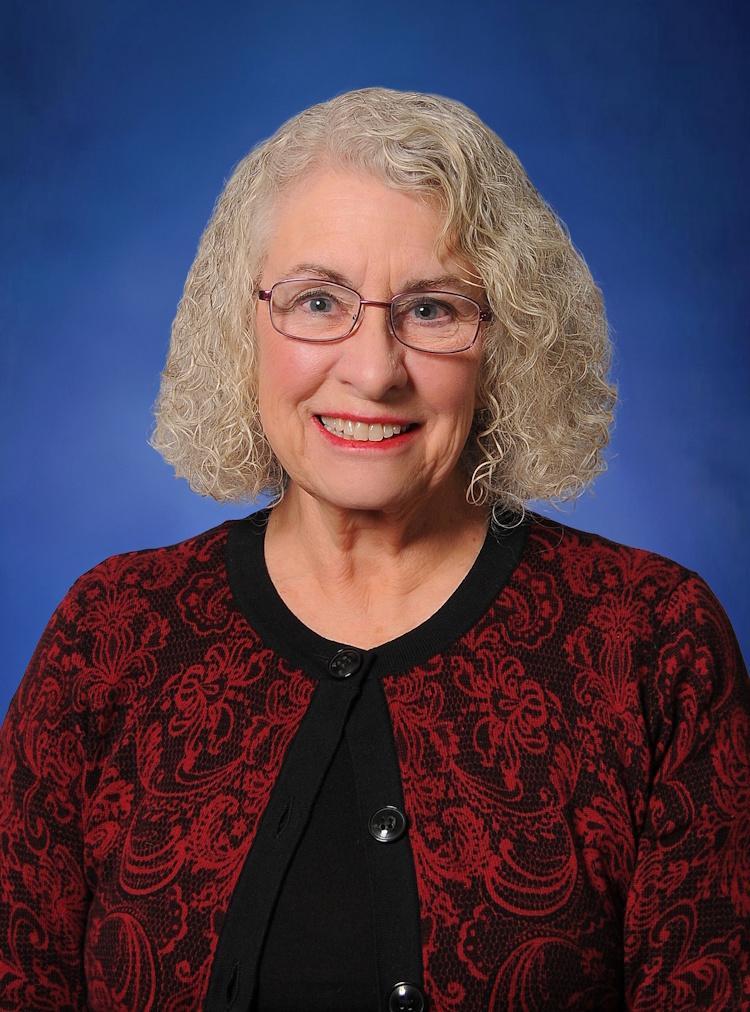
Just as staff and the Superintendent are evaluated each year, the Board evaluates its performance annually. We use the process adopted by the Washington State School Directors’ Association (WSSDA), based on standards shown through years of research to positively impact student success.
In August 2025, our Board and Superintendent adopted goals tied to the District Strategic Roadmap and major initiatives. These goals have guided much of our work this past year. In February 2026, we conducted an interim assessment of our progress in meeting these goals. In August, we completed our year-end review, using the WSSDA assessment tool to link our work to the five Washington School Board Standards.
Our Self-Evaluation determined:
The School Board is committed to focusing our work on our responsibilities to support the Central Valley School District Mission: To develop well-rounded, confident, and academically prepared individuals who aspire to achieve their full potential and contribute to their community.
Cindy McMullen
School Board Director
 July 2026
Once school comes to a close, a common question Board Directors hear is, “Does the School Board get to take a break over the summer?” The short answer is “not really.” Although most students and staff are not in class or in our buildings over the summer, there are still operational, administrative and budgetary needs that persist year-round and require the Board’s review, consideration and approval.
With the exception of one July Board meeting, which is often canceled due to lack of quorum, the 2nd and 4th Monday Board meetings continue throughout the summer months. In fact, oftentimes, additional special Board meetings including executive and closed sessions are required either in-person or over Zoom as time sensitive items require Board discussions or actions between regularly scheduled meetings.
Examples of work the Board is currently undergoing or will be working on through the summer include:
As the Board continues its work, the desire for input from our community continues, too! All are invited to attend Board meetings and participate in public comment year-round. Zoom links are posted on our website for those who would like the option to listen or watch from home.
Come the end of August, we will be ready to start another exciting year of infinite possibilities!
Stephanie Jerdon
2026 School Board President
Go to BoardDocs for more information on any of these mentioned.
 June 2026
How much money does your family have in an emergency fund? In Washington state, every public school district has what they call a fund balance. This is the amount of money a district has in the bank at the end of each month. This fund balance is our reserves or our emergency fund.
Over the past few months, the CVSD School Board has been working on the 2026-2027 budget to support the district’s goals, ensure the best use of taxpayer dollars and increase our fund balance to ensure financial stability. We appreciate the hard work by our Executive Finance Officer, Shannon Johnston, and her team.
Some of our priorities in developing our budget are:
We ended the 2023-2024 school year with $9.6M in our fund balance and the 2024-2025 school year with $16.3M. This may sound like a lot of money, but given that we will spend $271.7M in the 2025-2026 school year, that is less than one-month of expenses.
Of our total spending, about 85 cents of every dollar goes directly to staff salaries and benefits for the teachers, counselors, nurses and support staff who serve our students every day.
In 2025-2026, we will receive a total of $277.3M in revenues. Approximately 82% of our funding comes from the State of Washington and federal programs. The remaining 18% comes from local taxpayers through the Educational Programs and Operations (EPO) Levy, Local Effort Assistance (LEA), and other non-tax sources such as fees, rentals and donations.
One challenge we continue to navigate is a significant reduction in LEA funding, which helps support extracurricular activities and enrichment programs that go beyond basic education. This reduction has added pressure to our budget and is one reason growing our fund balance is so important. As we are on track to spend $271.9 for 2025-2026, this leaves about $5.3M to add to our fund balance. Therefore, we anticipate ending our school year with a fund balance of approximately $22.3M.
For the upcoming 2026-2027 school year, we expect $286.5M in revenue coming in from all sources. We have budgeted to spend close to $283.3M, leaving an additional $3.2M for the fund balance, prior to adding another bus, which was discussed and agreed upon to purchase at the workshop. This fund balance growth aligns with Board Policy 6022, which directs the School Board to grow the fund balance to a 10-12.5% target of the total budget, which would be approximately $28M-$35M (based on the 2026-2027 expenditure budget).
In our most recent Board meeting on May 26, 2026, we had a budget work session. Included in the draft budget is a Board-approved $.30 increase in school lunch prices to mitigate the $77,620 nutrition program deficit due to recent increases in food costs (there is no change to free and reduced meals or CEP schools). However, the Board also agreed to invest approximately $220,000 on district-provided elementary school supplies (pencils, crayons, scissors, etc.), offering a net savings to families of $143,000, as well as the convenience of not having to go shopping for these supplies.
Our budget is not yet finalized, but we are getting close. We still have a School Board meeting on June 9, 2026 and a Public Hearing and Budget Adoption meeting on June 22, 2026.
We welcome community members to attend and provide public comment at either meeting.
Allen Skidmore
School Board Director
Links:
 May 2026
Anniece Barker
2026 School Board Vice President
Washington high school and middle school athletics are governed by a private, non-profit organization called the Washington Interscholastic Activities Association (WIAA). Over 800 schools are members of the WIAA, including our Central Valley School District middle and high schools.
The WIAA sets rules and standards for sporting events with the goals of ensuring fair play and student/participant safety. They believe that sports are an integral part of education, encourage students to attain personal academic excellence, and build and strengthen character traits such as leadership, service, and sportsmanship.
Policies, rules, and regulations are often set according to federal and state laws, but are also determined by member schools. Member schools are able to participate in a process for making or modifying policies, rules, or regulations. Every year, member schools may submit amendments or proposals. Also, each year, member schools may vote on all proposed amendments or changes.
In the last two years, the CVSD School Board has adjusted the process for the Board to direct school representatives on how to vote on behalf of the district. As representatives of the community, the Board wants to ensure that we are fulfilling our role in setting the direction of the district, including rules and policies surrounding athletics. We understand the vital role athletes play for our students, coaches, parents, and community. Therefore, we want to ensure that all votes align with that direction, as well as ensure uniformity and accountability.
The Board highly values input from our coaches and athletic directors, and thus we seek their input on amendments and proposals before we vote. Each Board member researches the proposed changes along with representatives’ input. Then a work session is held during a School Board meeting, facilitating a more informal discussion amongst Board directors. During the work session, the Board invites our lead athletic director to be present and participate.
This affords the Board the ability to directly ask questions and immediately receive input. Finally, after each Board director has made their final individual positions known, the Board majority on each item is declared by the Board President. The Board then returns to the dais to hear any public comments on the issues before moving to a final vote to submit the Board's positions to member school representatives.
The CVSD School Board is committed to ensuring that student athletics remain safe and fair for all participants, are representative of our community, and align with the direction the Board sets. This procedural change in how the district votes on WIAA policies, rules, and regulations is one aspect of meeting these commitments in a more consistent and transparent manner.
Pam Orebaugh
2026 School Board Legislative Representative
Convening the Long-Range Planning Committee… Once Again...
Meaningful Evaluation of the Superintendent Matters...
Growing Programs While Providing Relief for Central Valley Families...
CVSD Legislative Advocacy in Action...
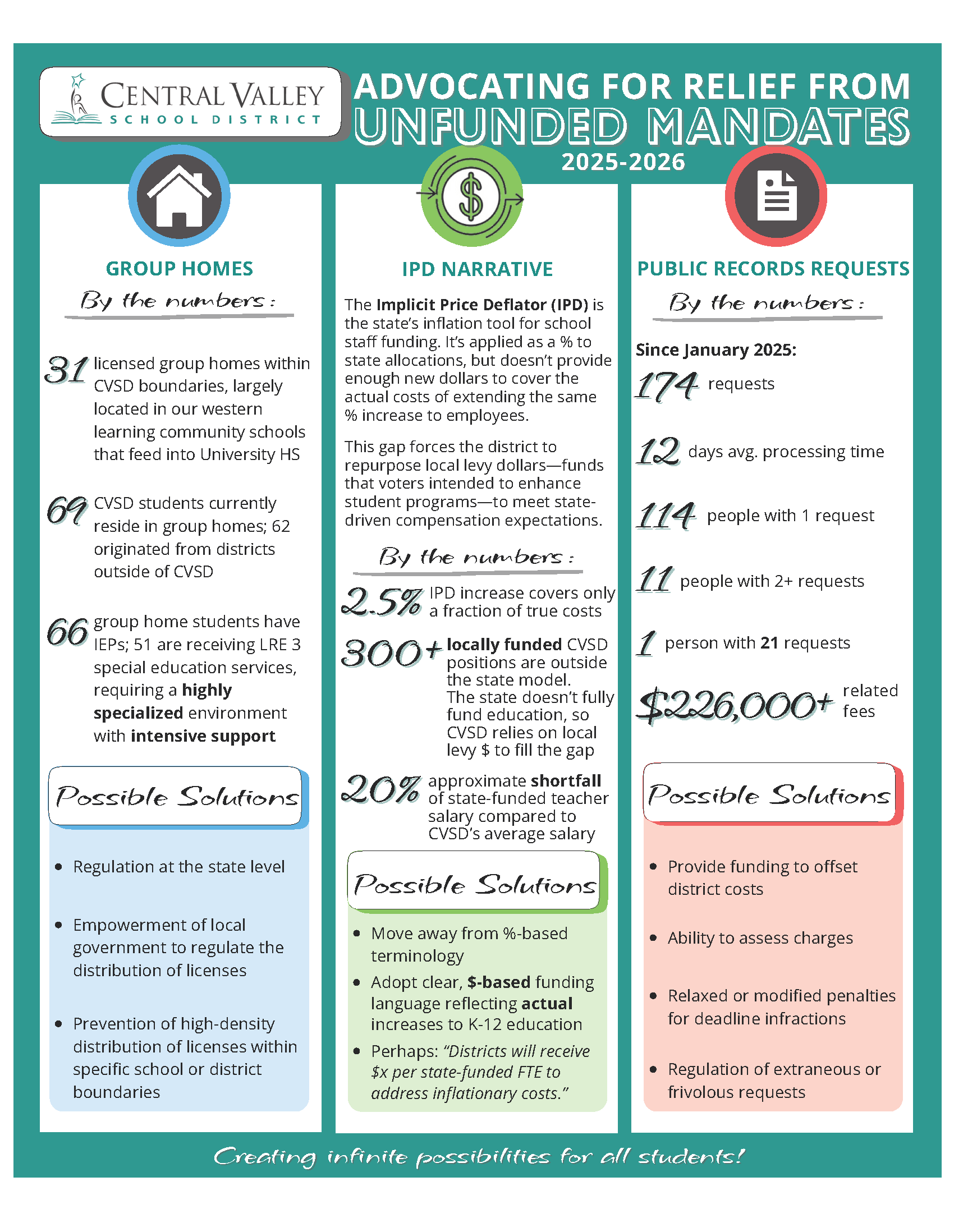
Advocating for...
CVSD's “SIPs and PLCs in Action” Initiative...
Your School Board Ensures Safety Matters!
CVSD Safer School Entryway Ribbon Cuttings
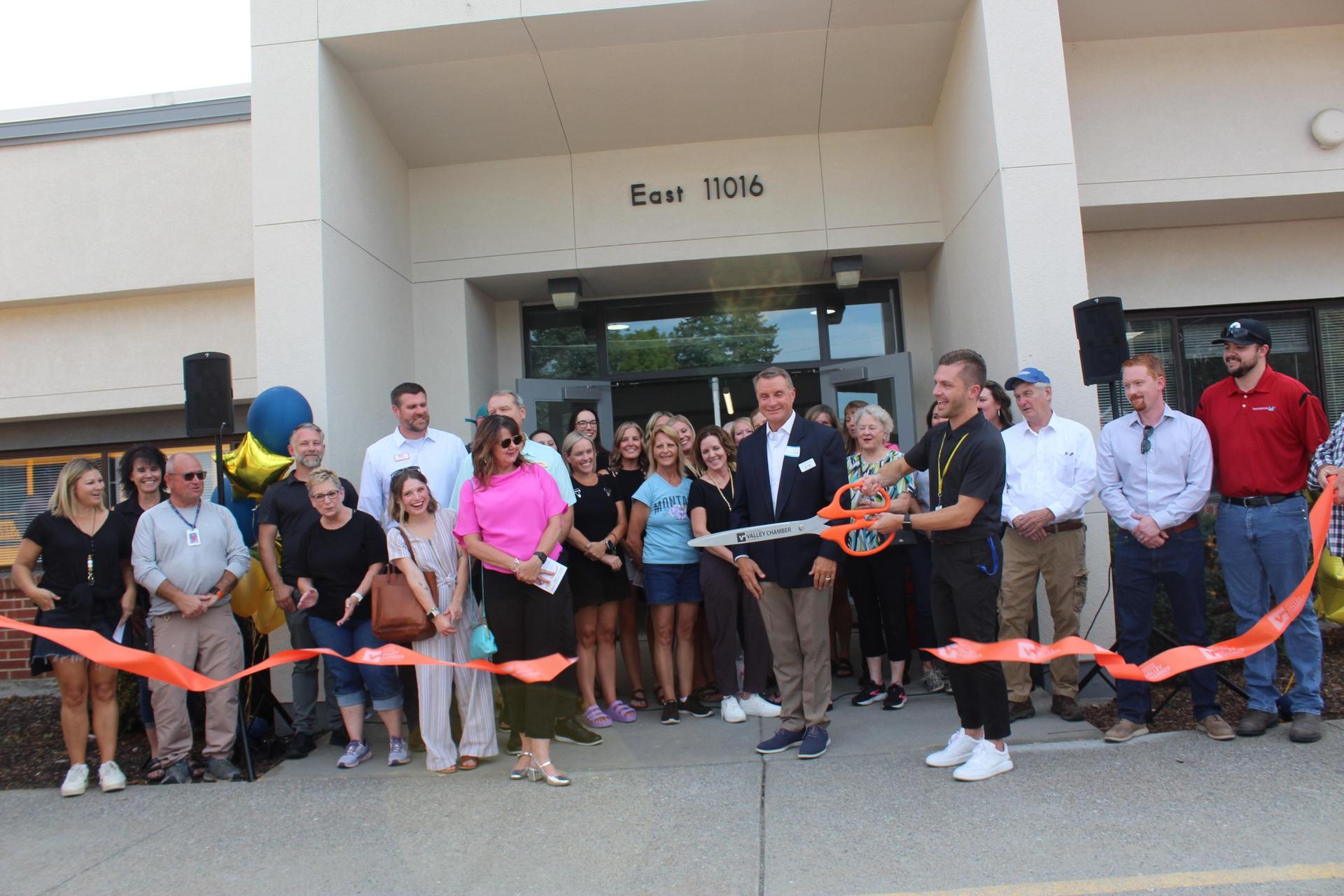
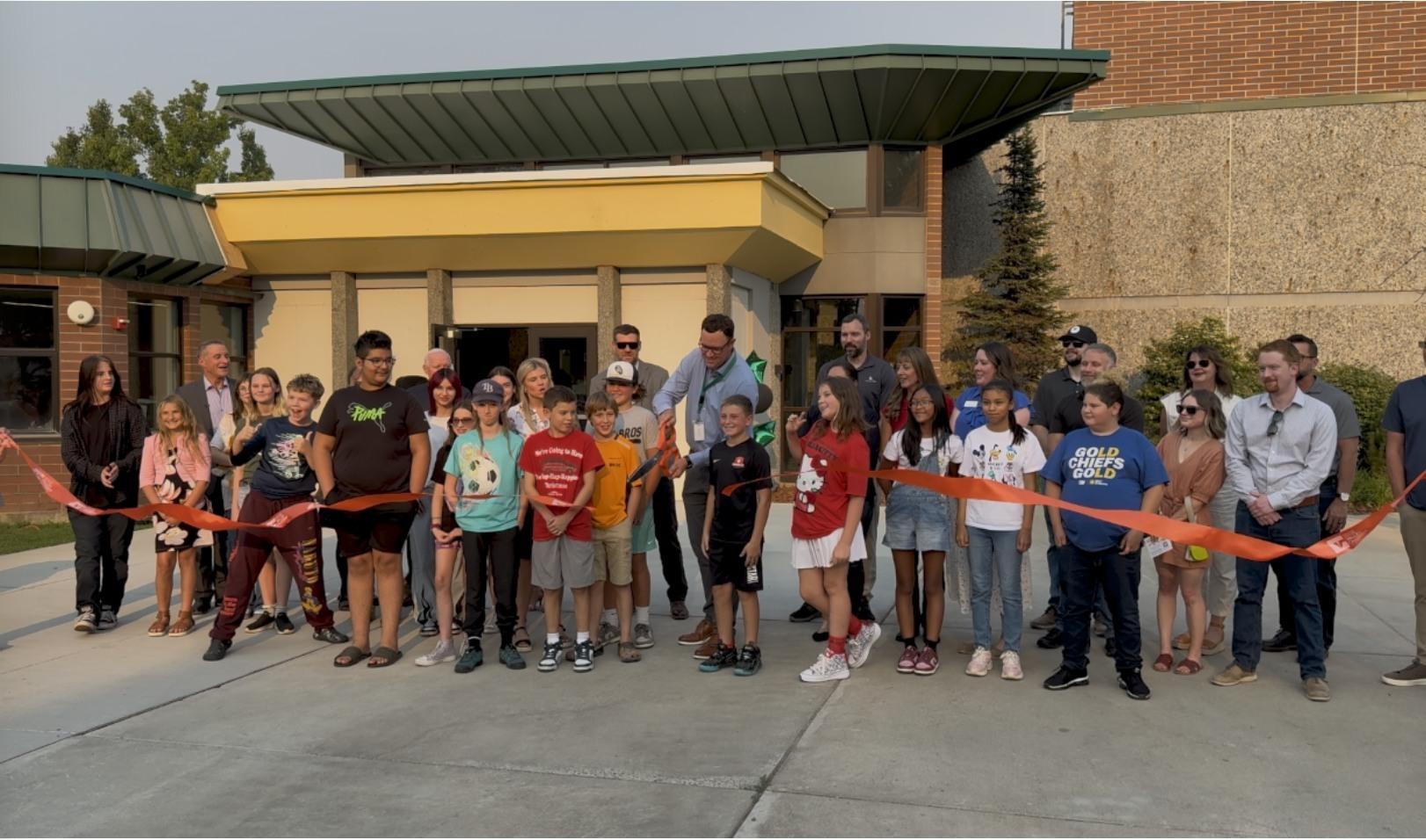
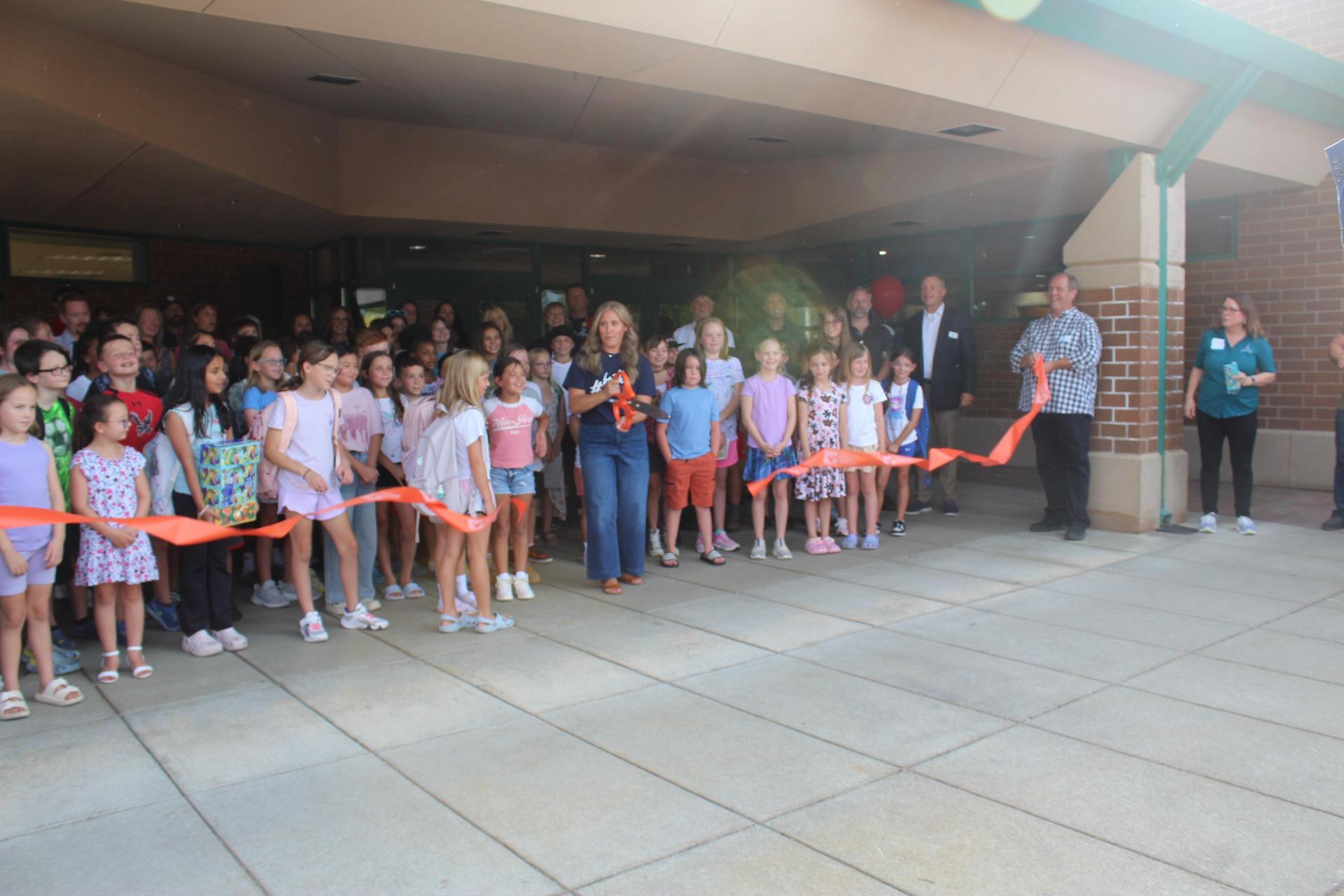

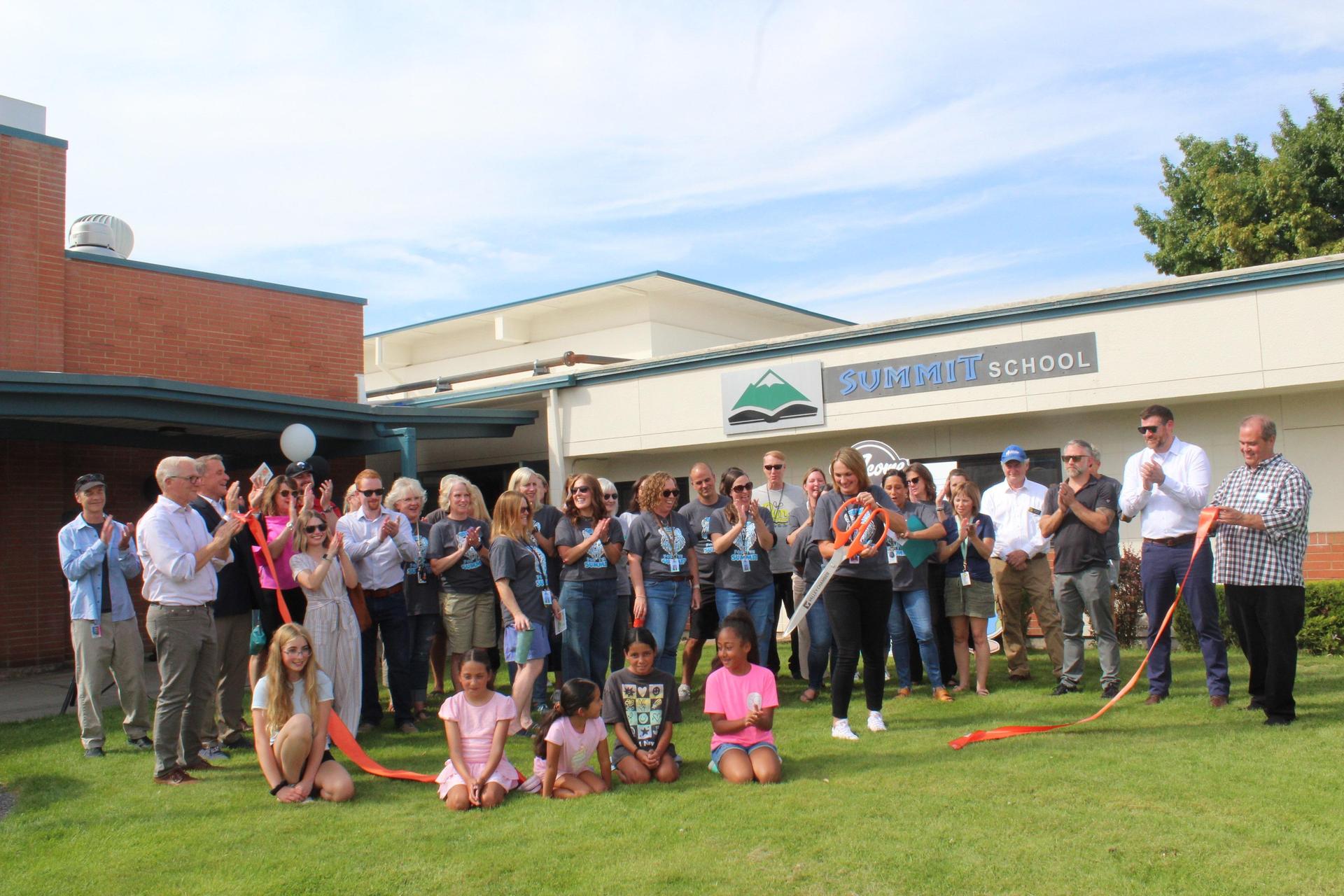
CVSD School Board sets direction for the 2025-2026 school year...
The new Balanced Calendar is underway...
Evaluating the Superintendent’s Performance…
CVSD Career and Technical Education (CTE) Opportunities Abound...
Transparent Processes and Accountability...
CVSD School Board sets priorities for the 2025-2026 budget process...
CVSD School Board has long history of honoring Meritorious Service...
2024 District-wide Meritorious Honorees
An update from your School Board Legislative Representative...
Legislative Work: WA Representative Schmidt visits the CVSD Early Learning Center
Stay informed... Legislative Look
A message from your 2025 School Board President...
Connect with Your CVSD School Board...
A message from your 2024 School Board President...

