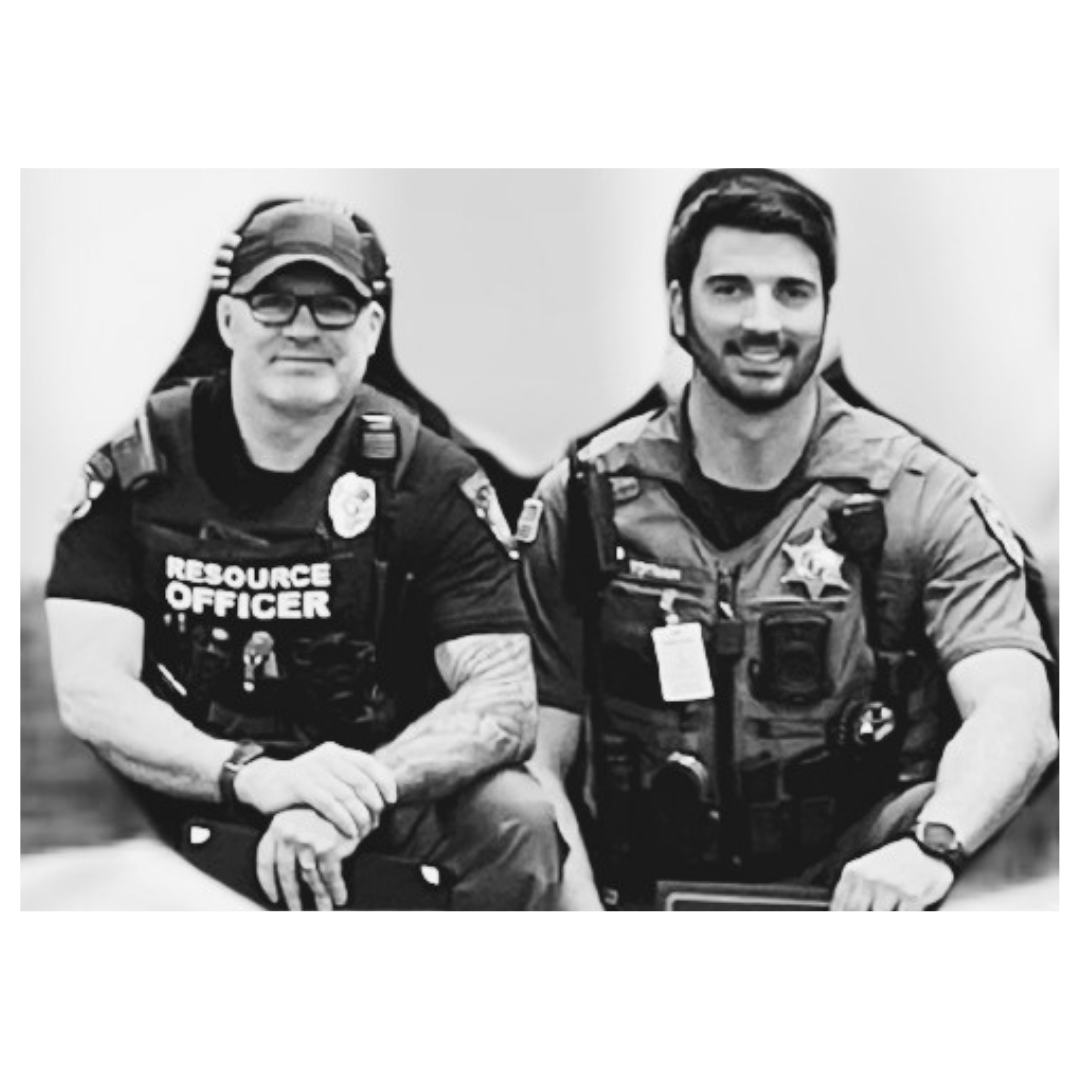
The Role of SRDs and SROs in CVSD Schools
The safety of our students, staff and visitors is our highest priority. To support a secure learning environment, we partner with local law enforcement to place School Resource Deputies (SRDs) and an School Resource Officer (SRO) within our schools.
It is a collaborative effort to have an officer available to all campuses. These are fully commissioned law enforcement officers assigned to our district through a partnership with the Liberty Lake Police Department and the Spokane County Sheriff’s Office.
The Mission
The primary goal of every officer on campus is to protect the well-being of the school community. Their mission is built on four pillars:
- Protection: Maintaining a safe environment for everyone on site.
- Prevention: Identifying and responding to criminal activity or credible threats before they escalate.
- Preparedness: Leading the charge in crisis response and emergency planning.
- Connection: Building positive, trust-based relationships with students and staff.
What is their role on campus?
Far more than just a security presence, these officers are integral members of our school communities, focused on safety, mentorship and emergency and incident preparedness.Law Enforcement & Emergency Response
As sworn officers, SRds and SROs provide an immediate professional response to incidents on school property or at school-sanctioned events.
- Investigation: They conduct investigations and take enforcement action when legally required, with a heavy emphasis on de-escalation and diversion whenever appropriate.
- Crisis Leadership: During emergencies, they serve as the primary liaison between the school and outside agencies like Fire, EMS and emergency management.
- Threat Assessment: They are key members of school threat assessment teams, helping to evaluate and mitigate risks.
- Safety Planning: They actively assist in developing school safety plans and lead student and staff emergency drills.
Training and Accountability
Every officer in our schools meets rigorous professional standards. They are fully commissioned and must complete specific youth-focused and school-based training. Their work is guided by state and federal law, FERPA (privacy) regulations and civil rights protections. To ensure the program continues to meet the needs of our community, it is reviewed annually with input from various stakeholders.
Advisors to School Administration
While they work closely with our staff, SRDs and SROs remain employees of their respective law enforcement agencies, not the school district. They serve as expert consultants to principals and district leaders on:
- Campus security and physical safety concerns.
- Threats with potential criminal implications.
- Coordination with outside law enforcement agencies.
Relationship Building: Mentors, Not Just Officers...
One of the most vital aspects of the program is the "informal" side of the job. By maintaining a visible, approachable presence, officers serve as mentors and trusted adults to students.
By engaging with students in hallways, at lunch or during extracurricular activities, they help promote a prevention-focused school climate, where students feel safe coming forward with concerns.
This is an important aspect of the SRDs and SROs role. For many students, this may be their first opportunity for a positive interaction with a law enforcement officer.
Important Role Limitations
Their role is wide, but it is important to understand what SRDs and SROs do not do:
- No Routine Discipline: Officers do not handle school-based discipline (such as tardiness, dress code or classroom disruptions). Those matters remain the responsibility of school administrators.
- No Replacement for Support Staff: Their role is specialized and does not replace the vital work of our school counselors, social workers or behavioral support teams.
Essentially, SRDs and SROs have a Defined Scope of Authority, limited to criminal activity and immediate safety threats. Routine behavioral issues and school-rule enforcement are handled by school administration, where these officers' roles focus on intervention and overall safety.